Emergency lighting systems – the ultimate guide
We all know artificial lighting helps us in everyday life, from illuminating rooms at night to creating the right ambience in different zones. However, emergency lighting is more than an ordinary installation – it’s an essential lifeline in critical situations. For example, if there’s a power outage or fire, these systems keep escape routes visible and aid safe evacuations.

Here’s everything you need to know.
What is emergency lighting?
Emergency lighting systems automatically activate when a building’s main power supply fails, providing enough visibility to guide occupants to exits during emergencies. They typically include backup power sources, like batteries or generators, to ensure uninterrupted operation for several hours after a power failure.
How does emergency lighting improve fire safety?
During a fire or another emergency situation where evacuation is crucial, visibility throughout exit routes is key. Emergency lighting can provide the illumination required, even when powered artificial lighting systems have failed. By lighting escape routes, exit doors, stairwells and other zones, occupants can safely navigate the building to make their way to designated assembly points, reducing panic, accidents and injuries.
What buildings need an emergency lighting system installed?
Understanding emergency lighting ensures good preparation for unexpected emergencies, helping building owners, facility managers, occupants, staff and visitors. Emergency lighting systems are required in premises where people work or gather in order to comply with fire safety laws. This includes commercial buildings, educational facilities, healthcare settings, industrial sites, residential blocks and public venues like theatres and retail centres.
What are the different types of emergency lighting?
Emergency lighting solutions can be tailored to specific building needs and environments. Popular types of emergency lighting include:
- Escape route lighting: This is placed throughout designated exit routes to provide a clear path.
- High-risk area lighting: This ensures continued visibility in areas where hazardous activities are carried out, such as science labs or industrial settings.
- Standby lighting: This activates during power failures to provide general lighting in critical zones.
- Open area lighting: These systems provide lighting for large, open spaces like sports stadiums and warehouses to enhance safety.
You can also opt for LED lighting upgrades, switching to emergency lighting mode if there’s a power outage.
Where should escape route lighting and signs be installed?
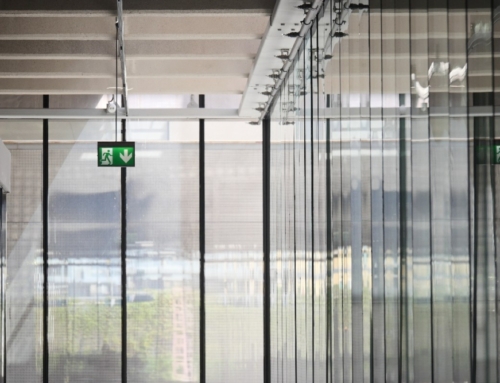
Whether it’s fire safety in schools or an apartment block, escape route lighting and signage should be installed in strategic positions to maximise visibility when guiding people to exits. Key locations include corridors, ramps, stairwells, emergency exit doors and paths leading to assembly points. Any changes in level and direction require clear guidance, especially in buildings with complex layouts or in spaces with poor visibility, like basements or windowless areas.
Looking for an emergency lighting company? Contact MD Fire
If you’re looking for an emergency lighting quote in the South East, contact MD Fire today. We come out to London and the Home Counties. To speak to our team, phone now on 0208 355 8820.