Is your fire evacuation plan good enough?
If you’re responsible for fire safety in a building, a well-designed fire evacuation plan is essential. This should outline safety procedures for how anyone in the property would exit the building during a fire. However, regular reviews and updates are required to ensure it remains sufficient, ensuring compliance with everything from emergency lighting system laws to the correct signage.
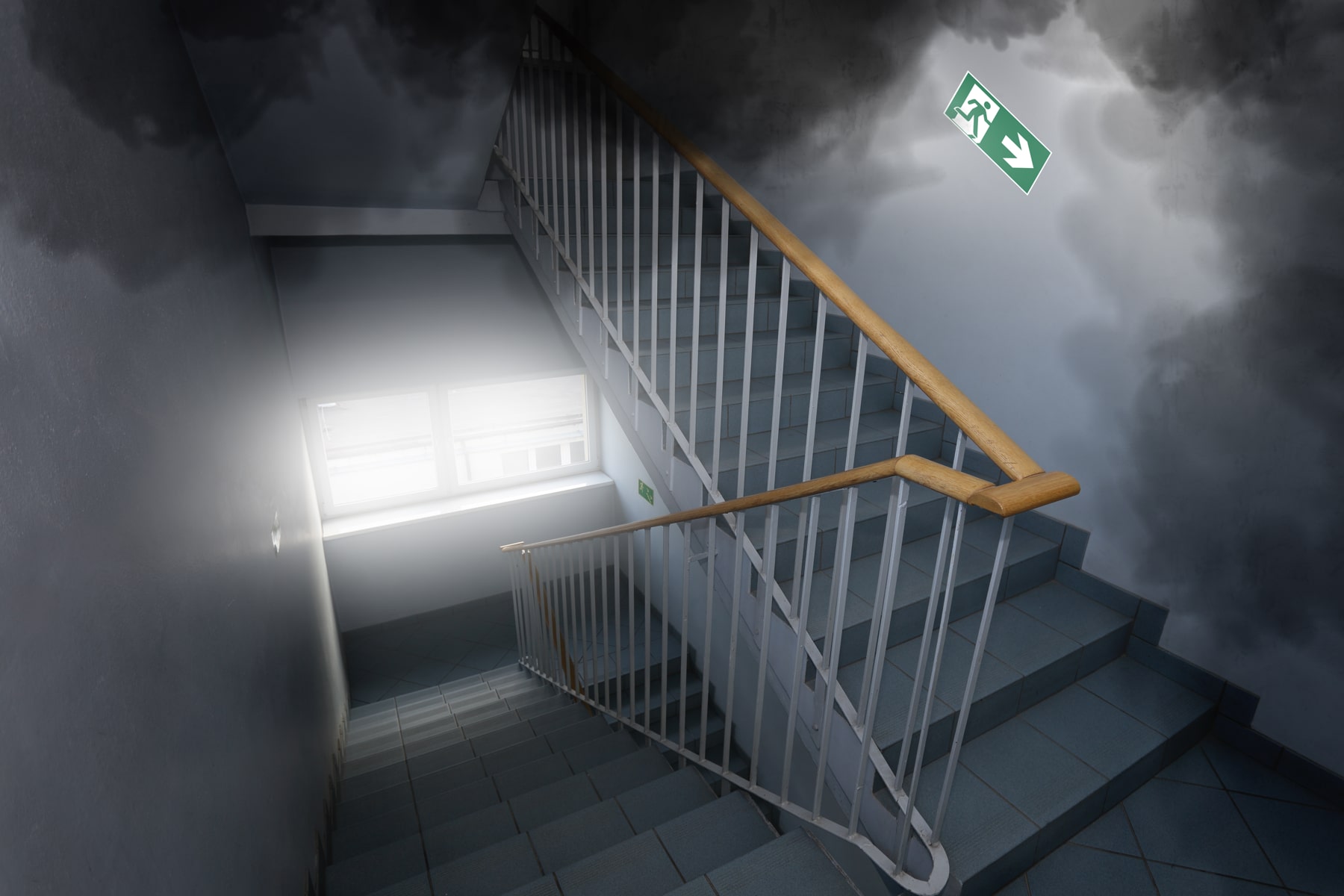
By maintaining a good fire evacuation plan, you can save lives and meet your legal responsibilities as an employer or duty holder.
Here are some top tips for keeping your fire evacuation plan up to date.
What is a fire evacuation plan?
A fire evacuation plan provides detailed information about your building’s procedures in the event of smoke in the property, a fire breaking out or your fire alarms sounding. It should help to safely and efficiently evacuate the building, considering the best ways to guide everybody to safety.
Fire evacuation plans should cover clearly marked exit pathways, designated assembly points (where building evacuees should gather), and the roles of various staff members, like named fire wardens who manage the evacuation process. Methods of communication should also be included, such as fire alarms and public address systems.
You’ll also need to make special provisions for those with disabilities or mobility needs (such as wheelchair users).
When should you review your fire evacuation plan?
Reviews of fire evacuation plans should take place at least annually to ensure they remain effective. The responsibility of this usually lies with the duty holder, and they can also ask a fire risk assessor to include this in their checks. The latter will be aware of changes to fire safety regulations and spot potential vulnerabilities in your plan.
Fire evacuation plan reviews can identify necessary updates and improvements required. You should complete one sooner if your building undergoes significant layout or occupancy changes, or has new safety fire equipment installed.
Frequently scheduled fire evacuation drills are key, and if there are any weaknesses revealed in the current plan, these should be immediately addressed. This could be things like exit routes not being clear enough, not enough exits for everyone to escape, emergency doors that don’t open easily or inadequacies in staff training.
Is emergency lighting a legal requirement?
If your building is used a place where people gather to work or socialise, it needs emergency lighting, as outlined in the Regulatory Reform (Fire Safety) Order 2005. This includes anywhere from theatres and shopping centres to schools, healthcare facilities and offices. Common areas of apartment blocks will also need it.
Emergency lighting systems provide visibility even if the main power fails, guiding occupants to exit points. The lights should be strategically installed along exit routes, including stairwells, corridors and where the direction of travel changes.
How do you know if your fire signage is satisfactory?
Fire safety signage is vital, and you must comply with the correct design, placement and visibility guidance as dictated by law. These signs help keep workers and visitors safe, leading everyone out of the building. For more information, head to our blog on fire safety signage laws.
Get fire safety advice tailed to your needs
MD Fire are a fire safety consultant for London, Surrey and the Home Counties. To enquire, contact us today on 0208 355 8820.